I build the systems a business grows on,and then I run them.
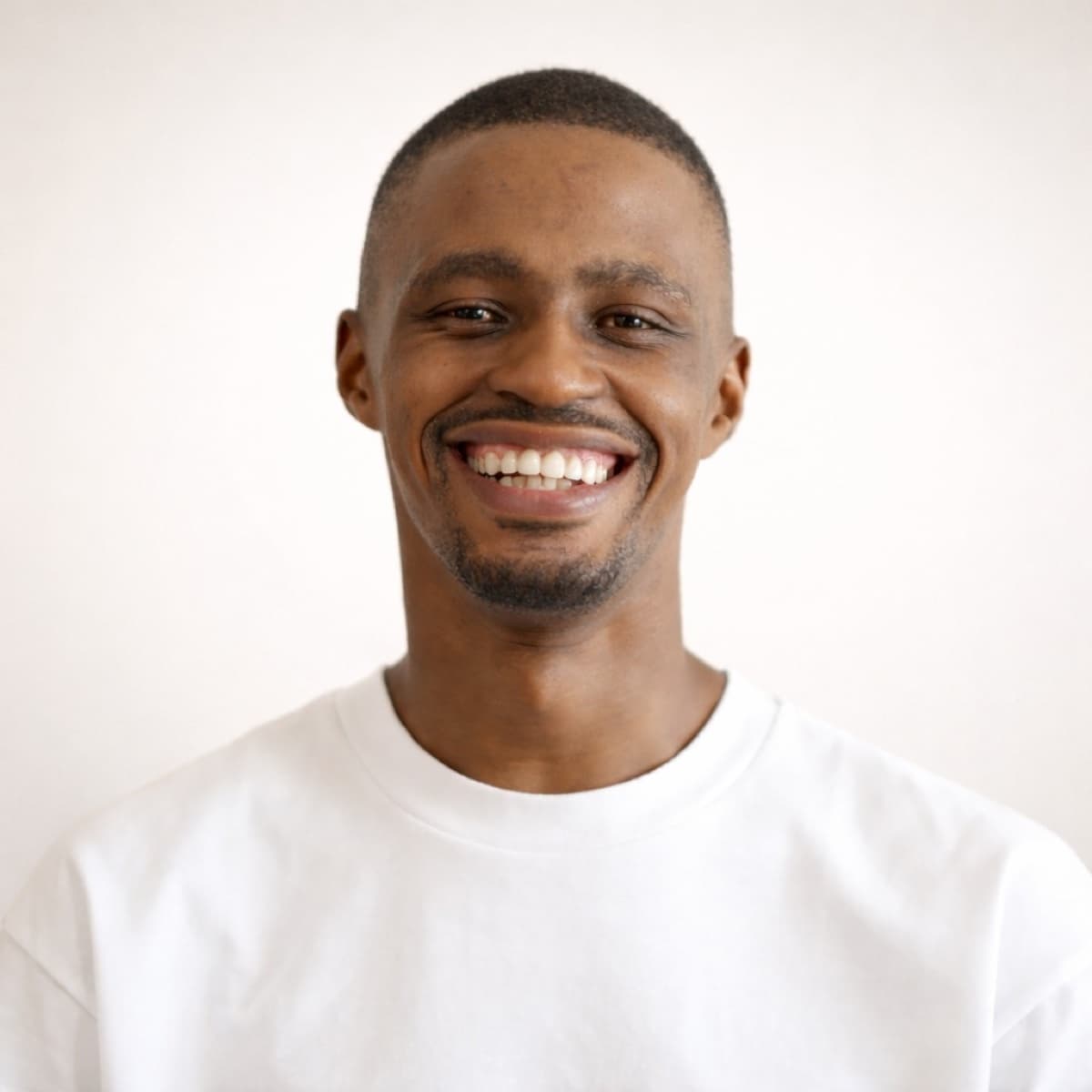
I’m Bokang (you say it boh-kung), a technology entrepreneur. I work on the side of a business that brings money in: the strategy, the marketing, the software underneath it, and the business development that closes the deals.
Marketing is the biggest part of that and it is what most people hire me for. It comes from over a decade in digital growth across Africa, Europe and America, at global agencies, in-house at companies operating at scale, and in my own firm.
I build custom software: internal tools, automations, AI agents, dashboards and reporting, and the integrations that connect the systems a business already runs on. Earshot, the media monitoring platform, is one of mine.
I work with businesses, agencies, non-profits and private clients, across South Africa, the United Kingdom and Southeast Asia.
Who I work with
Four kinds of client.
Underneath it is the same work each time. Find the people who should know about you, give them a reason to trust you, and build the system that keeps doing both. What changes is who those people are, and what you call the result.
Track record.
Over a decade in digital growth: global agencies, in-house at scale, my own firm, and independent work, across three continents.
Agencies
MediaCom
2016–2018
Paid Media Specialist at one of the world's largest media networks. Coca-Cola, Sony, Audi and other global brands.
2016–2018
PHD Global
Earlier
Paid media at another of the world's big media networks. Global brands including Huawei and HP.
Earlier
Correlate Digital
Earlier
B2B performance marketing for small and medium-sized businesses.
Earlier
Interface Digital
Earlier
B2B and B2C Google Ads across multiple industries.
Earlier
In-house, at scale
MTV Staying Alive Foundation
2022–2023
Digital Director. Set global digital strategy for multi-country behaviour-change campaigns in global health.
2022–2023
MTN Business
2022
Online Channel Manager. Built the enterprise online sales channel from the ground up at one of Africa's largest telcos.
2022
Leegra (HP)
Earlier
HP Online E-commerce Lead. Ran the e-tailer relationships and operations that grew HP's online sales across the region.
Earlier
My own firm
Algorithm Hackers
2019–2022
Founded and ran my own digital growth firm for nearly three years. End-to-end marketing for clients including Deviare, an e-learning platform for consumers and businesses, plus a long tail across financial services, education and consumer goods.
2019–2022
Independent consulting
Chris Roe, United States
Recent
Communication coach. LinkedIn presence, cold outreach, client acquisition.
Recent
Heidi Mollentze, South Africa
Recent
Communication coach. LinkedIn, cold outreach, client growth.
Recent
Piosenka Plus, Poland
Earlier
Event marketing and sales for an events company.
Earlier
Training & teaching
Digify Africa
2014, then later
Started as a trainee, returned as a trainer leading digital-literacy training across southern Africa.
2014, then later
British Council · Red Bull Amaphiko
via Digify Africa
Trained social entrepreneurs on using digital to grow the work they care about.
via Digify Africa
What I’ve built
The products I ship myself.
Alongside the client work I build and ship my own products. These two are live.
Earshot
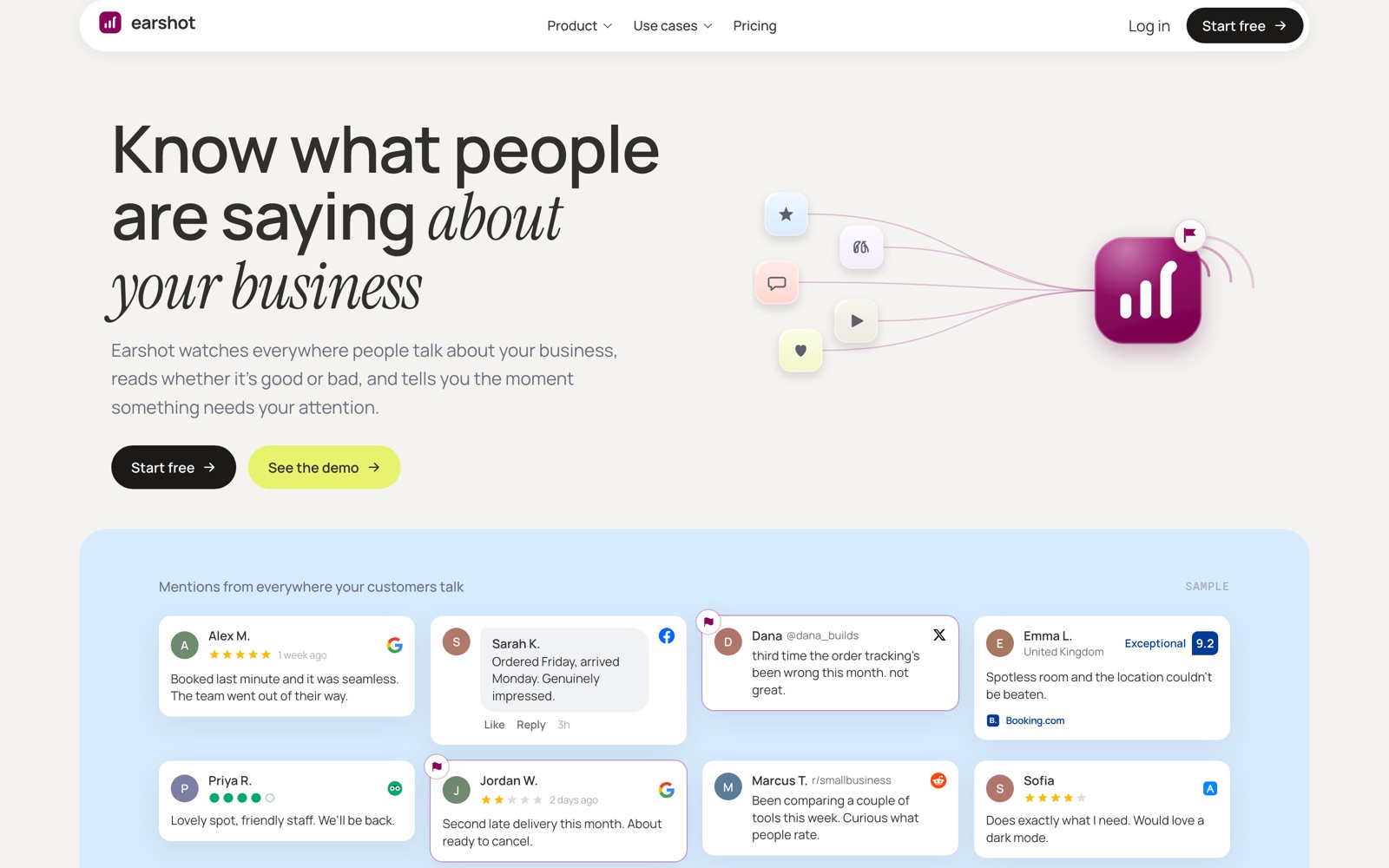
2026 / liveMedia monitoring built on AI. It reads what people write about a business across news, social, video, forums and review sites, works out whether it is good or bad, and says when something needs an answer.
It started as the research platform behind my client work. It is now a product other companies pay for. Its accuracy is measured against a hand-labelled set and published on the site rather than asserted.
Sola
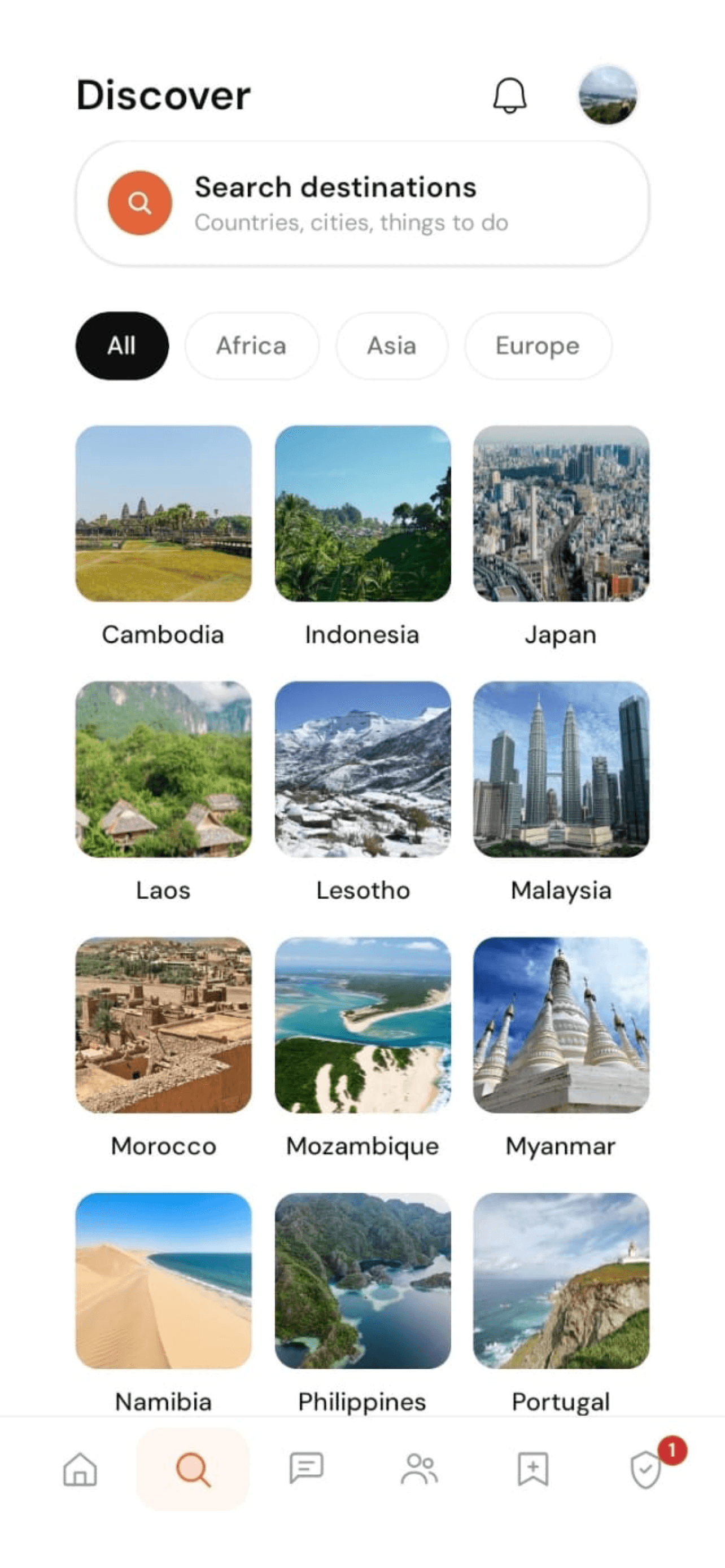
2025 / liveAn app for women travelling solo. It pulls what women have actually said about places across all the major booking platforms, alongside its own women’s community, into one place organised right down to the neighbourhood. AI reads and sorts it all, so you get what matters to you without the endless scrolling. Live on the iOS App Store, built AI-native from the first screen.
Get it on the App Store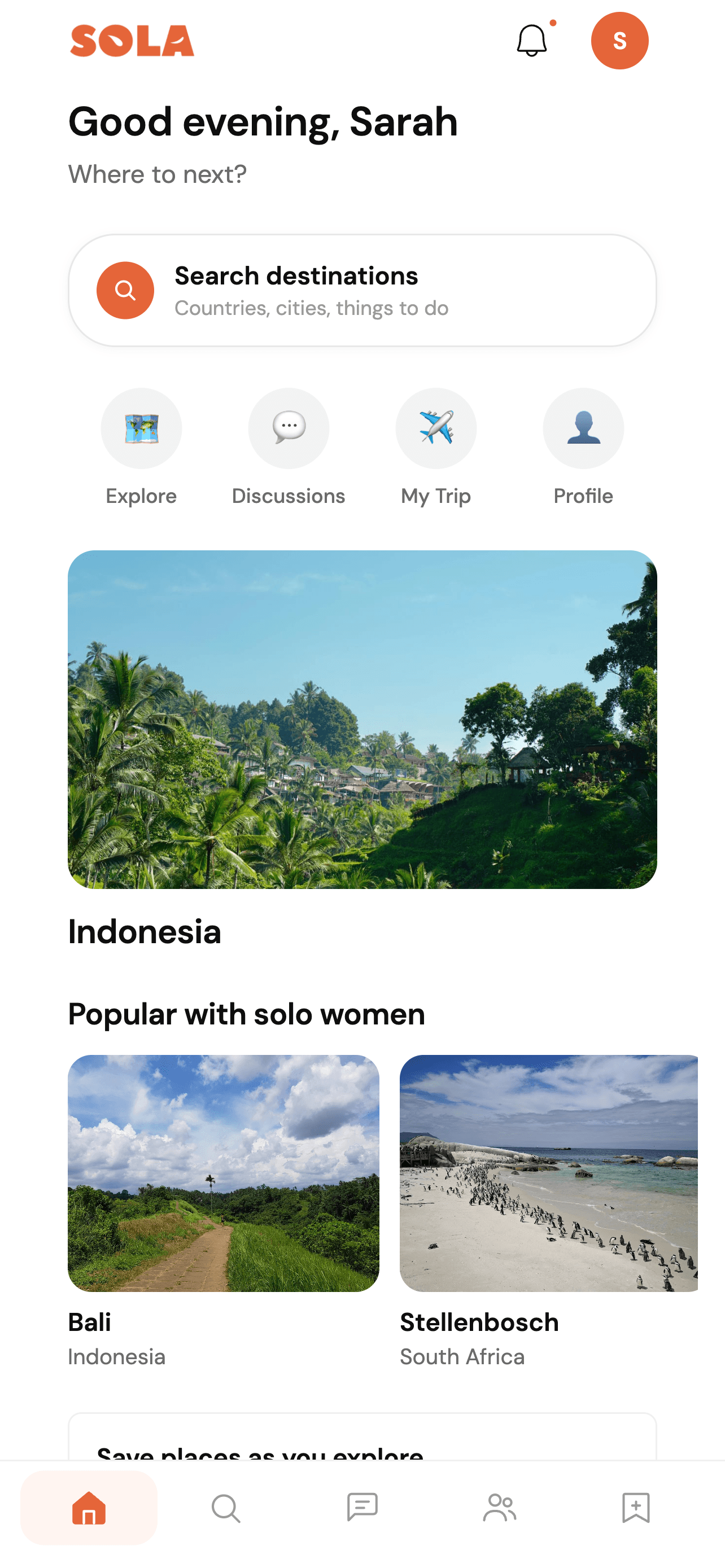
Documentary
Reconnecting Pangaea.
I co-created, co-wrote and co-produced a documentary series about who the internet in South Africa actually reaches, and who it quietly leaves out. It aired on eTV, a national free-to-air broadcaster, which put it in front of the households it was about rather than only the ones that debate them.
Both episodes are below. If you watch one, watch the first.
Want this running for your business?
Tell me where you want more customers. I come back to you, usually within a day.